Center for Digital Education
CDE brings together pedagogical and technical perspectives to develop and research:
Tools and competencies
We care about competencies needed in a future digital society, including computational thinking and digital/AI/Data literacy. We tie this to how tools and artefacts transform subject matters and education.
Methods to understand learning and teaching
We investigate and develop digital methods to analyze learning and teaching processes. We mainly focus on rich, complex situations, such as group work and open-ended activities, that support educational research and practice.
Implementation and transformation
We examine the systematic integration of digital technologies in education. We especially focus on the interplay between organic “bottom up” development and “top down” structured institutional digitalization initiatives. This includes the use of pedagogical tools and the integration between online/blended learning and more classical teaching situations.
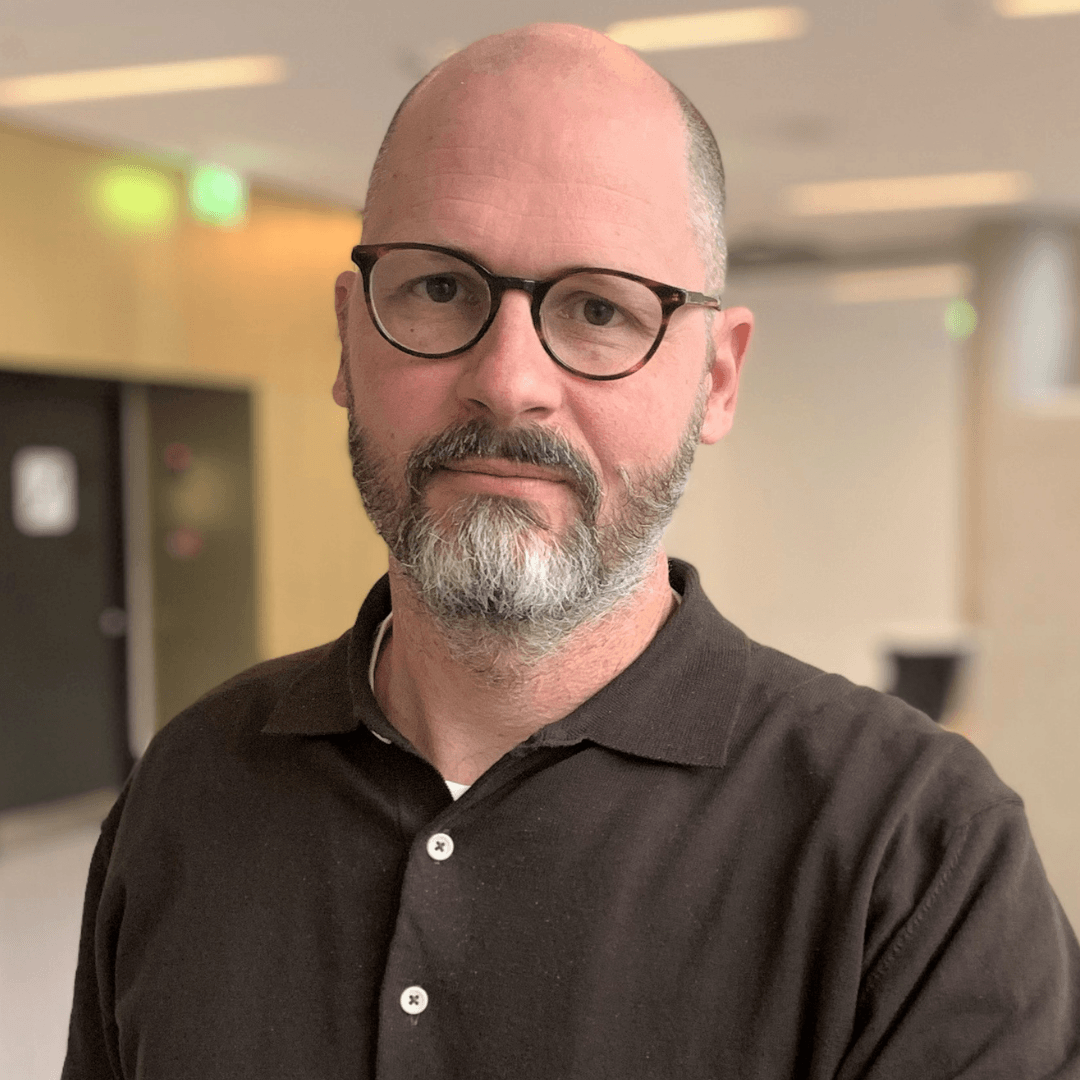
| Professor, Morten Misfeldt I am affiliated with both the Department of Science Education and the Department of Computer Science, and I lead the Center for Digital Education. My research focuses on mathematics education, digital competences, and computational thinking, with particular attention to how these are implemented in teaching and across disciplines. I work on integrating computation and computational literacy into general education and explore how learners think with digital tools through perspectives on distributed cognition and hybrid intelligence. I also study non-cognitive aspects such as courage and engagement in science and mathematics learning.
|
|
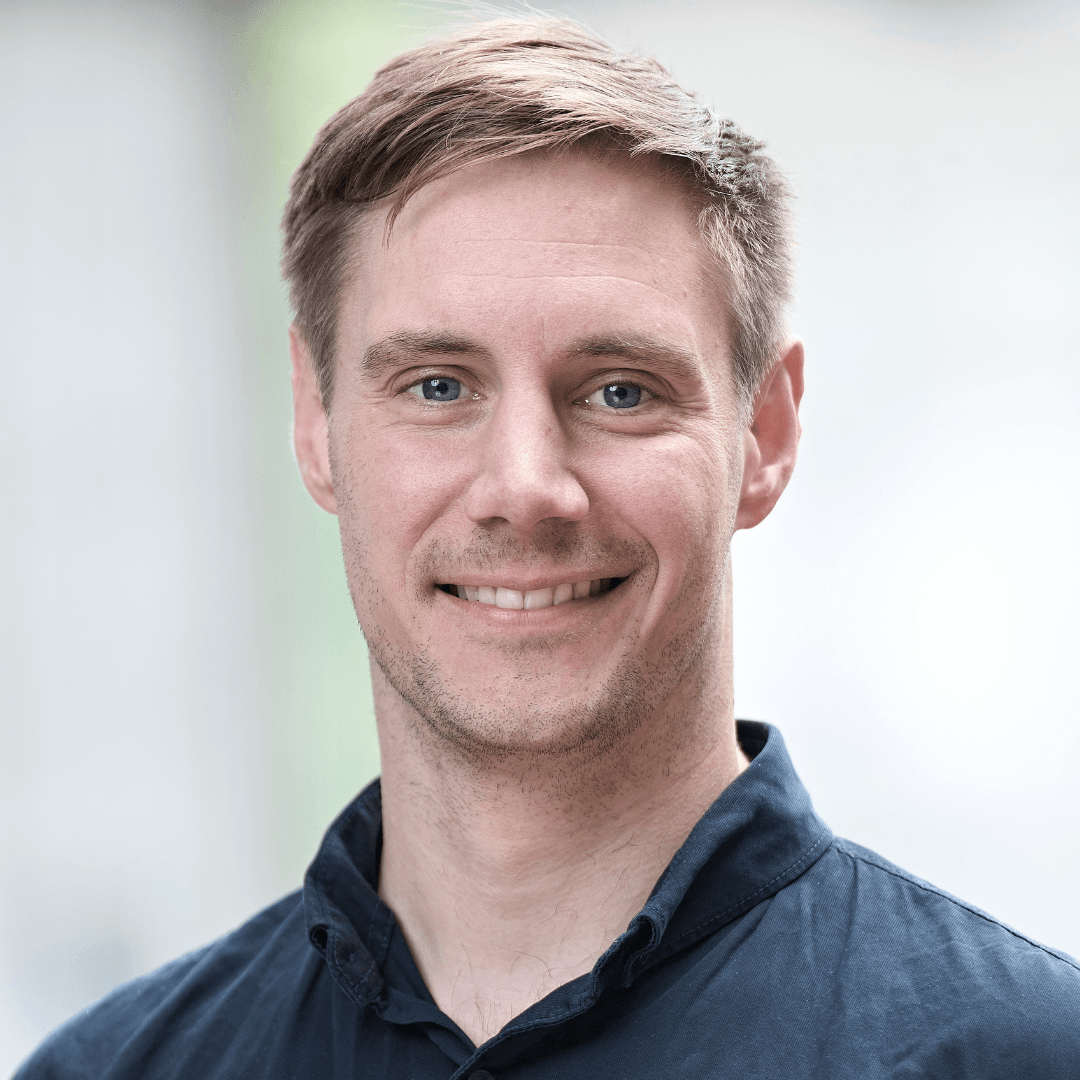
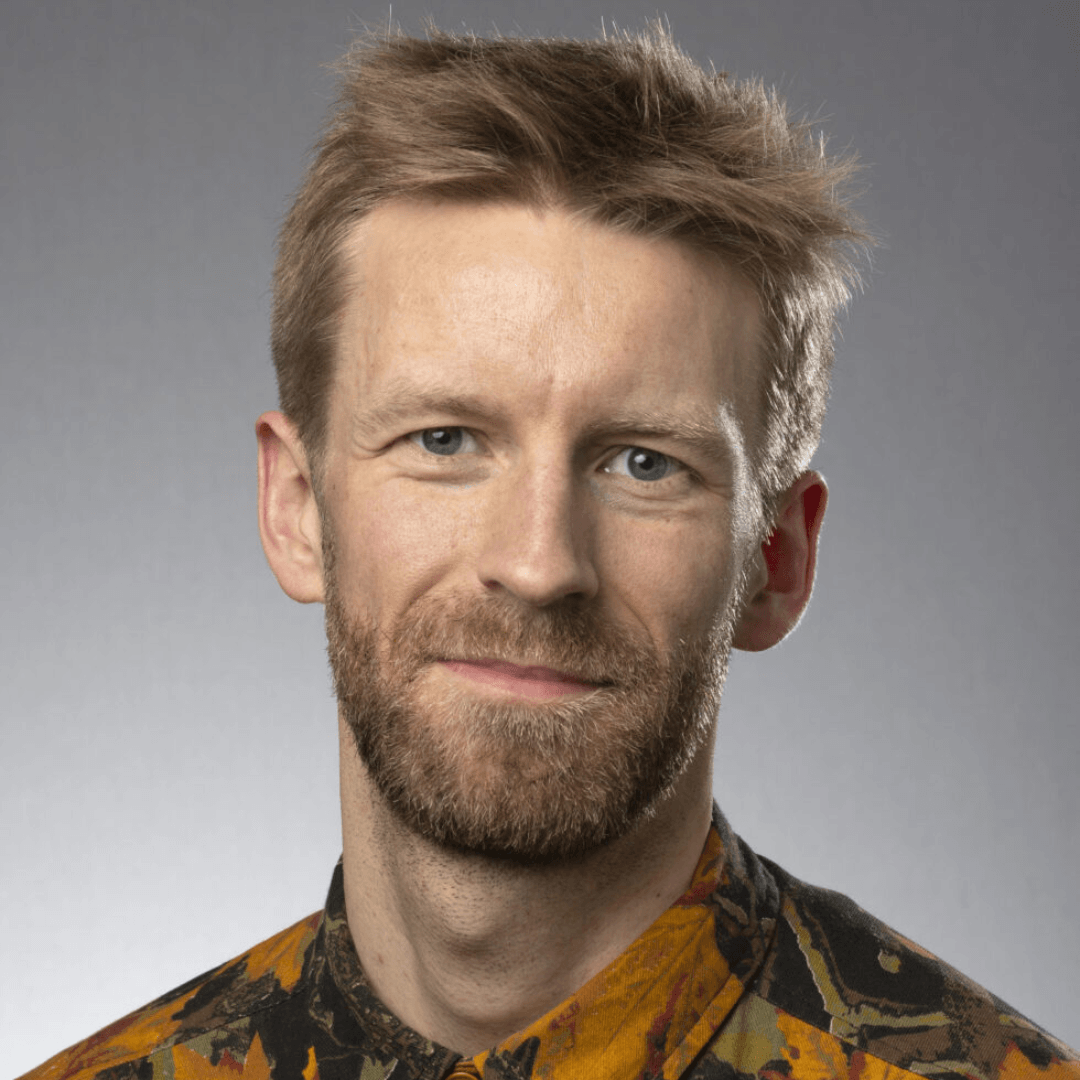
| Associated Professor, Daniel Spikol My research explores technologies that help us understand how people interact in education, work, and other settings. The work connects human-computer interaction, multimodal learning analytics, and the role of AI in education, with a focus on collaborative learning, design, and play. I design and develop innovative systems that combine data from various sensors and interactions to analyse and generate insights into human behaviour, offering new tools for learning, collaboration, and creative engagement with AI. |
|
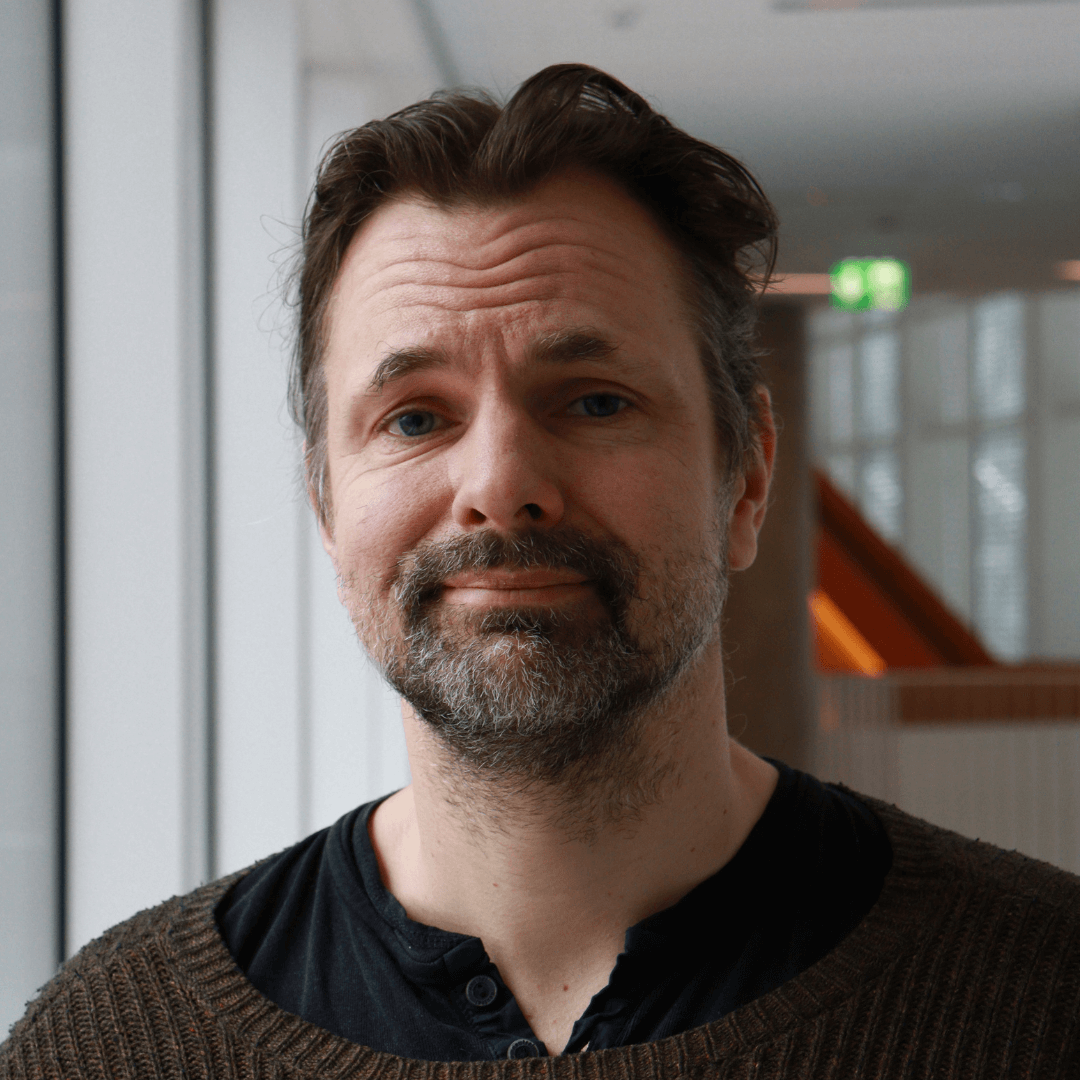
| Assistant Professor, Andreas Tamborg My research sits at the intersection of mathematics education and digital literacy, focusing on technology comprehension and computational thinking in lower-secondary classrooms. Taking an implementation perspective, I investigate how to design teaching materials that build on the professional knowledge and practices of in-service mathematics teachers while advancing students’ ability to critically engage with pervasive digital technologies. My work is grounded in close collaboration with teachers and I disseminate findings through scholarly articles and concrete teaching resources that exemplify and support classroom implementation. |
|
|
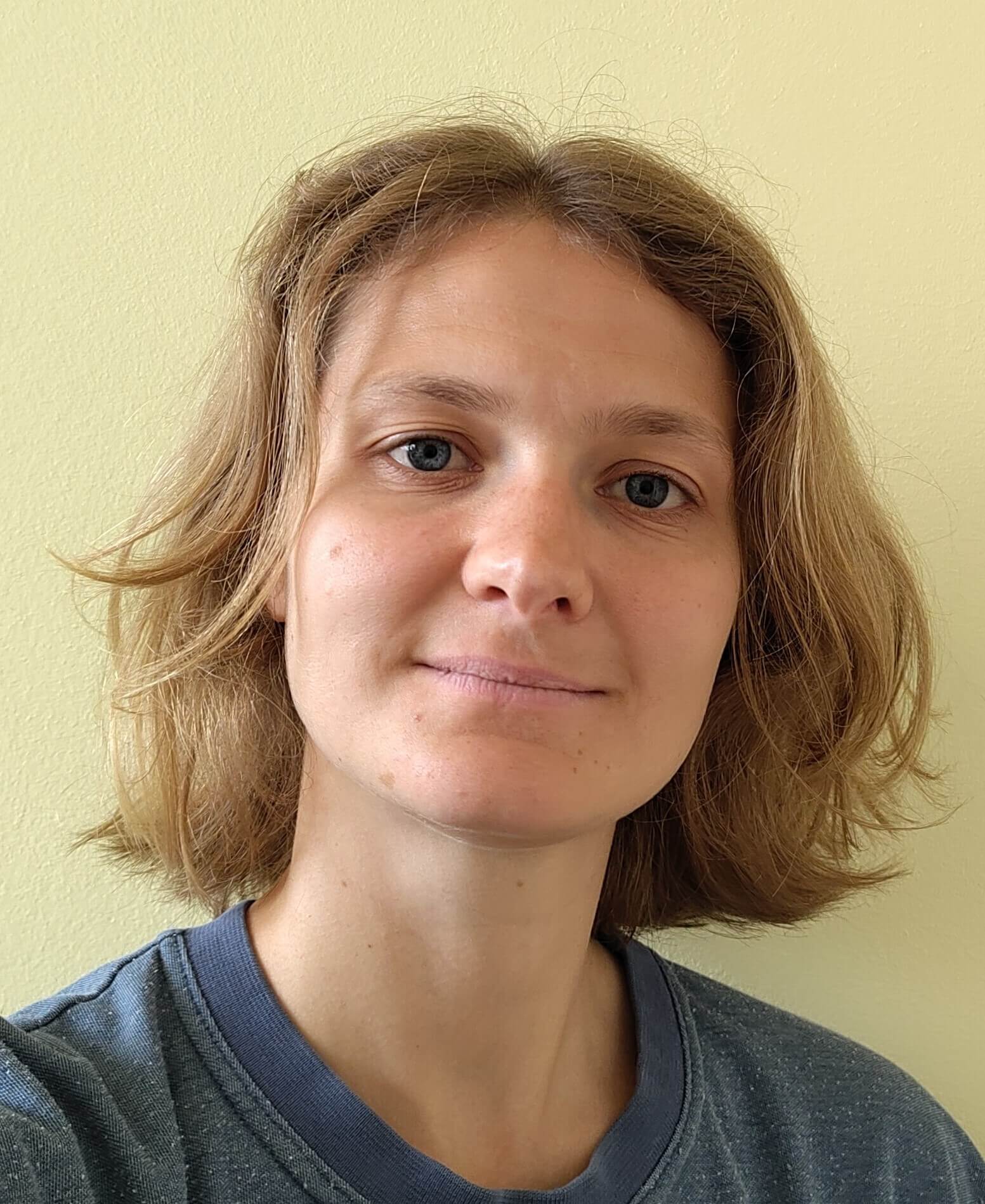
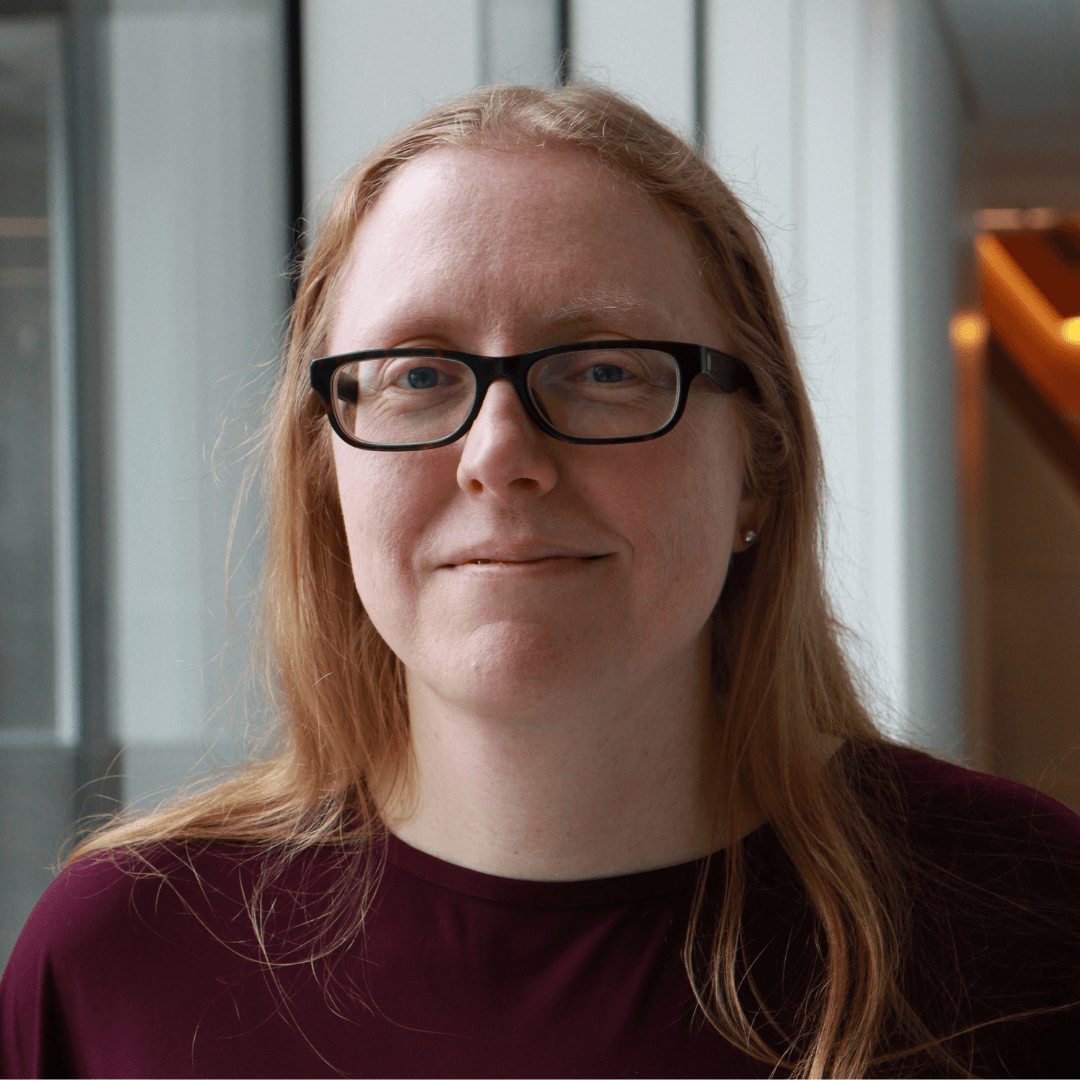
Associate Professor, Adrienne Traxler |
![]() |
| Associate Professor, Jesper Bruun I work with technologies and novel teaching formats in the Sciences, primarily focusing on Physics. My work spans upper-secondary and university education levels, concentrating on mechanisms relevant to the teaching and learning of Physics. Recently, I have focused on Learning Analytics to leverage big data in understanding and improving educational systems. Viewing educational systems as complex systems, I employ network analysis to explore patterns and mechanisms in teaching and learning dynamics. I collaborate closely with educational professionals to develop and refine teaching strategies and methodologies, emphasizing their implementation in teachers’ everyday practices. |
![]() |
| PhD Fellow, Liv Nøhr I am a PhD student with a background and training in sociology, and an interest in how educational conventions and subject matters compose what is taught and learned. I have a particular interest in doubt; what is doubted? When is it doubted? And - how is the pedagogy or the subject matter prioritizing some manifestations of doubt over others? For this, I draw on French pragmatic (or ‘neo-pragmatic’) sociologies, with a particular focus on the sociology of regimes of engagement. My PhD-project concerns progressive pedagogies in a large-scale (and hence standardized) science centre with set learning aims, and its composition of what learning becomes (and for whom) in this situation. Methodologically I work ethnographically with video-materials on the level of bodies and gestures. |
|
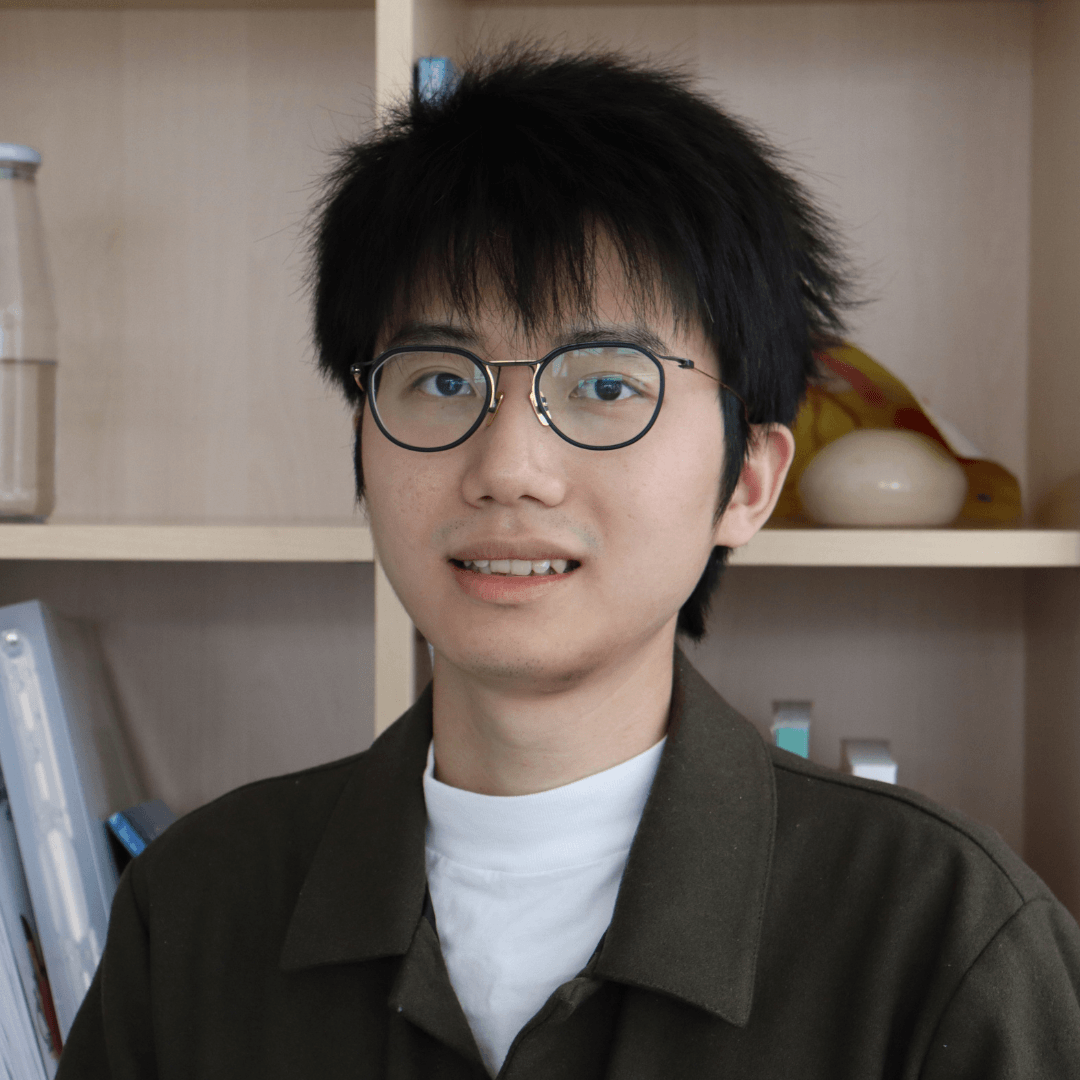
| PhD Fellow, Zaibei Li I am a PhD student at the University of Copenhagen with a background in computer science, specializing in Multimodal Learning Analytics (MMLA). My PhD project examines how multimodal data can reveal the often unseen dynamics of collaborative learning in real-world educational settings. By developing IoT-based systems and interactive dashboards, I study patterns of participation, coordination, and human-AI interaction that are difficult to capture through conventional methods alone. My research aims to create tools that help researchers and educators better understand complex learning processes and support more informed interventions. |
|
| PhD Fellow, Jack Kallo My PhD project investigates how MPS, as a central practice in mathematics education, can be revitalized through a computational literacy perspective. Drawing on diSessa’s conceptualization of computational literacy as a new form of literacy, the project explores how digital and data-driven technologies reshape the representations and practices through which MPS unfolds. The project builds classical research in MPS, particularly the work of Pólya and Schoenfeld, and examines how this tradition can be rethought considering emerging digital infrastructures and technology-mediated problem contexts. Through a design-based research approach, the project develops, implements, and analyzes teaching interventions in lower secondary education, where students engage with data-driven and technology-mediated mathematical problems. |
|
| PhD Fellow, Morten Schultz I have a background in linguistics, philosophy, and computer science. Having spent about 10 years teaching (primarily Informatics in high school), I am currently pursuing a PhD exploring ways of bringing computational literacy to L1 (Danish, upper secondary education). Drawing on a computational literacy framework (diSessa) and different conceptualizations of computational thinking, my project investigates how high school students can engage critically and creatively with CS concepts (algorithms, data structures, etc.) and computational approaches in supporting disciplinary analytical-interpretive reasoning, fostering computational skills and competencies without abandoning the core values of the humanities classroom. |
|
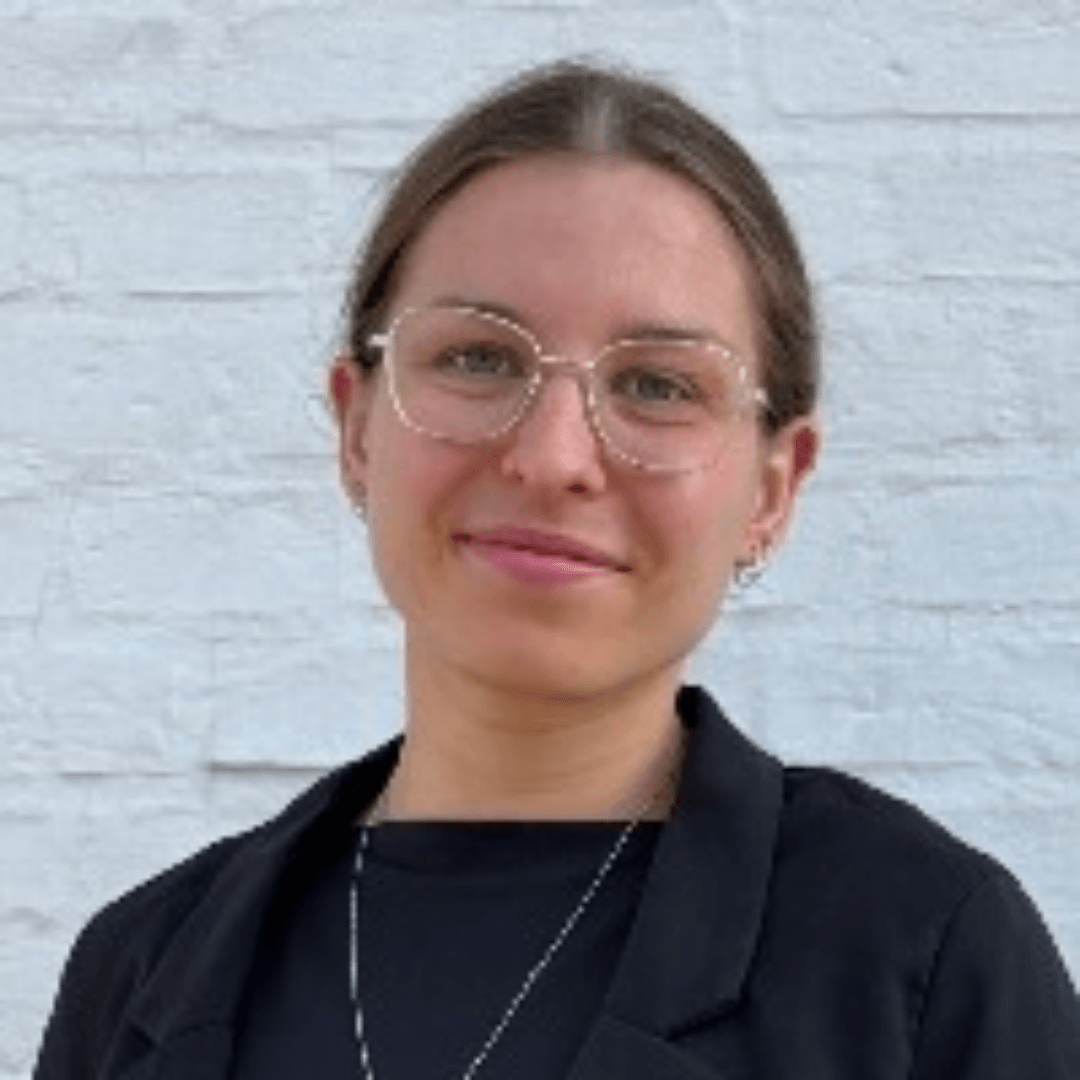
| PhD Fellow, Stine Marie Jensen I completed my master's degree in pharmaceutical sciences in June 2025. In October 2025, I started as a PhD student at the Department of Science Education at the University of Copenhagen. My project aims to investigate two questions in particular: What data science concepts and methods are most relevant to the field pharmaceutical sciences and how can we teach such concepts/methods to pharmacy students in a fruitful way? |
|
| Postdoc, Mathilde Kjær Pedersen My research focuses on teaching and learning in upper secondary mathematics and science education. I study how students develop understanding and thinking within these subjects, with particular attention to cognitive processes and the students’ use and conceptions of central ideas. This includes the role of representations, tools, and learning resources, including digital technologies and designed instructional approaches supporting modelling, problem solving, and interdisciplinary connections across STEM subjects. |
|
| Postdoc, Karl-Emil Kjær Bilstrup I am an interaction designer and researcher with a PhD in Computer Science. I design educational tools to teach big data, artificial intelligence, and cryptography in primary and secondary education with a Scandinavian focus on how teachers and students can sustain their agency in an increasingly digitized and computationalized world. In this endeavor, I design and deploy prototypes with two main purposes: (1) They serve as explorations of design spaces to investigate questions such as how machine learning can be conceptualized for general education, how educational tools can become instruments for critical reflection, and how these tools can complement existing practices in classrooms. (2) Furthermore, the prototypes serve as instruments to implement teaching of artificial intelligence in classrooms beyond research projects. |
|
| Postdoc, Sara Gagliani Caputo My research interests involve mathematics education and computer-supported cooperative work. In mathematics education, my work focuses on the design and study of digital mathematical discussion as a didactical methodology, examining both students’ collaborative processes in the development of collective algebraic thinking and teachers’ professional development and scaffolding practices. In computer-supported cooperative work, I currently contribute to the NeuroGen Computing project, where I design and study supervision tools that support interaction between students and supervisors, particularly in contexts involving diverse neurotype constellations. |
Knowledge Center for Digital Technology Comprehension
The Knowledge Center for Digital Technology Comprehension is a national collaboration dedicated to developing knowledge, teaching practices, and educational resources that help children and young people engage critically and constructively with digital technologies. Bringing together universities and university colleges across Denmark, the centre works to strengthen technology comprehension in schools and upper secondary education, with a particular focus on building a shared Danish approach to the field. The centre also supports the further development of subjects such as mathematics and Danish in relation to digital technology comprehension.
Our group is a partner in this work, with particular responsibility for mathematics education. We contribute to the centre through two PhD projects and one postdoctoral researcher, helping develop research-based knowledge on teaching, subject integration, and the educational implications of technology comprehension.
Albatros
Albatros is an ongoing research project that seeks to develop ways of supporting mathematics teachers to educate their students in relating critically to computational issues by means of in-service teachers’ existing professional capacities. Despite that subjects such as computational thinking and technology comprehension have many overlaps with mathematics, it has proven difficult for mathematics teachers to integrate such disciplines on their mathematics teaching. In Albatros, we take another point of departure and study ways to address computational issues with societal relevance through mathematical modelling. In the project, we take an outset in computer science research on algorithmic bias, which we convert into teaching materials that are feasible for mathematics teachers to implement in their teaching and do not exceed goals depicted in the curricular guidelines. The outcome of the project includes both research papers and teaching materials. The project is conducted in partnership with EdTalk and is funded by the Novo Nordic Foundation.
COTEK: Co-Design of Technology Comprehension in Teacher Education with a focus on Cybersecurity and Cryptography
Children and young people are increasingly surrounded by complex digital technologies, in which understanding the opportunities and risks related to data protection is central to acting competently in a digitalized society. At the same time, cybersecurity and cryptography also open up new opportunities to strengthen our fundamental values such as freedom of speech, equality, and democracy.
This project examines how future teachers can teach them to understand and explore cybersecurity through a constructive, analytical, and critical approach. The project uses cybersecurity as an umbrella term for security and privacy related to digital data. The project's approach is to work with fundamental concepts and techniques from the research and educational fields of cryptography, and to examine how future teachers can teach them in ways that make them understandable and accessible to children.
By introducing foundational knowledge in cybersecurity and cryptography, we sharpen teachers' and children's understanding of security and privacy in their lives and the surrounding society, while also contributing to qualifying the democratic conversation about how we shape the society of the future.
Collaborative Courageous Science
Collaborative Courageous Science (CCS) is a research project that reimagines how we understand student participation in science and mathematics education. Rather than measuring success through individual mastery alone, CCS focuses on the collective, situated courage that emerges when students navigate uncertainty, test uncertain ideas, and support one another through the challenges of open-ended inquiry.
The project brings together three complementary research strands: ethnographic studies of student engagement in science centre laboratory activities, survey-based instruments measuring Perceived Shared Reflective Persistence, and multimodal learning analytics using wearable sensor technology to identify observable patterns in collaborative behaviour.
Our work has revealed that the most meaningful moments in STEM learning are not simply about solving hard problems, but about how students engage with the unknown together. We have found that courage in learning is less an individual trait and more a collective process that can be observed, described, and ultimately supported.
By developing new tools and concepts that make these dimensions of participation visible, CCS aims to give educators practical ways to design learning environments where curiosity, intellectual risk-taking, and collaborative resilience are recognised and valued, preparing students not just to answer known questions, but to engage courageously with challenges they have never encountered before.
CRAFT: Co-creating Responsible AI Frameworks for Teaching
The CRAFT project supports university teachers at the University of Copenhagen in integrating artificial intelligence into their teaching in responsible, safe, and pedagogically meaningful ways. Centered around the development and use of the AI tool ChatTutor, the project takes a collaborative approach, bringing together educators, software developers, and learning specialists to co-design solutions grounded in real educational needs.
Rather than introducing AI as a fixed product, CRAFT focuses on iterative development and classroom-based experimentation across a diverse range of disciplines. The aim is to enhance students’ critical thinking, understanding, and academic integrity while strengthening teachers’ confidence in using AI tools effectively.
The project is implemented across 15 courses and includes a postdoctoral researcher hosted at CDE from summer 2026 to summer 28, co-supervised by Morten Misfeldt and Guido Makransky. Morten Misfeldt also contributes as a member of the steering group and participates directly as a teacher in the project.
SCIENCE Makerspace
SCIENCE Makerspace is a new cross-disciplinary learning and innovation environment at the University of Copenhagen, supported by a grant from the Novo Nordisk Foundation. Designed as an open and inclusive space, it will give students, lecturers, and researchers access to tools, materials, and technical expertise for experimentation, prototyping, and practice-based learning.
The makerspace will support new forms of teaching across the Faculty of SCIENCE by making it possible to build models, instruments, and demonstrations that connect theory with hands-on exploration. With facilities such as 3D printers, laser cutters, electronics, e-textiles, and workshop support, it aims to lower barriers to creative and experimental work.
Led by Pernille Bjørn (DIKU), Jason Koskinen (NBI), and Morten Misfeldt (IND/CDE), the project will open in late 2026 and is expected to engage more than 3,300 students within its first five years.
Artificial Intelligence in Physics Learning and Assessment
The AIPLA project explores how generative AI can meaningfully integrate into high school physics education. The initiative collaborates with teachers and to some degree students to design tasks which LLM-based agents can help solve but cannot provide a full meaningful answer. Recognizing that physics involves embodied knowledge AI cannot replicate, the project seeks to define clear boundaries for productive AI use in physics learning. AIPLA aims to develop practical, scalable resources that enhance student motivation and learning across Danish science classrooms. Thus, AIPLA aims at using AI as a supportive tool rather than a replacement for critical thinking. Funded by the Novo Nordisk Foundation.
The Mars Base
Scenario didactic project that develops and explores new narrative methods for physics teaching in high school. The aim of the project is to create a game that teachers can use in their teaching of physics at the C-level in the Danish upper secondary level.
Contact Jesper Bruun
Programming, computational thinking and mathematical digital competencies
The goal of this project is to empirically investigate the possible roles of programming and computational thinking (PCT) as part of students’ mathematical competencies, and support Danish teachers work with integrating PCT in mathematics
Contact Andreas Lindenskov Tamborg
AI Life
A network project that examines the influence of artificial intelligence on the Nordic education and upbringing tradition. This projects is conducted in collaboration with Bergen and Oulu.
Contact Daniel Spikol
Technology Comprehension
Project that has developed and investigated technology comprehension in teacher education. As an independent subject, as well as in the core disciplins of mathematics, arts and crafts and design.
Contact Morten Misfeldt
UCPH 2023 Strategy Programme on Digitalisation
Digital core competencies: Develops the teaching at UCPH in the light of digitisation through interventions with teachers and students.
Digital Health and Data
Continuing education programme that develops technology comprehension in the health professional educations. Led by Martin Lilholm (DIKU) together with University College Copenhagen.
Contact Morten Misfeldt
Contact
Morten Misfeldt
Professor and Center Director
misfeldt@ind.ku.dk